
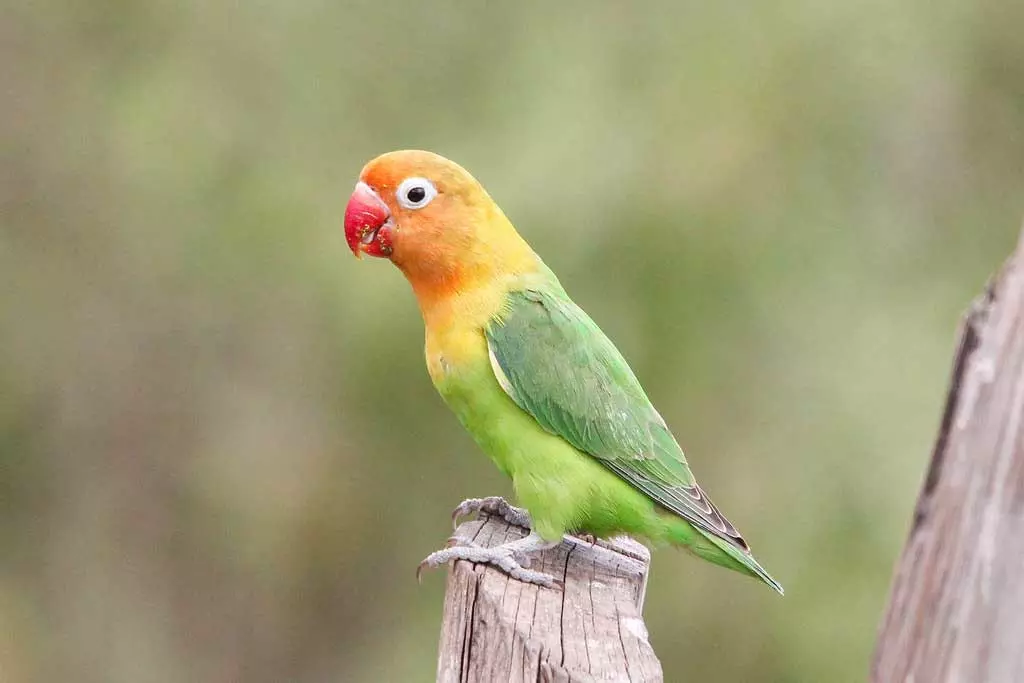
Fischer’s lovebird (Agapornis fischeri) is a small, brilliantly colored parrot native to the savanna woodlands of north-central Tanzania. Named after the German explorer Gustav Fischer, this species has become one of the most popular pet lovebirds worldwide (and one of the most internationally traded small parrots). Its intense orange-and-green plumage, tight pair bonds, and playful personality make it a favorite among both beginner and experienced bird keepers. This guide covers everything you need to know about the Fischer’s lovebird: appearance, habitat, behavior, care requirements, legal status, and conservation.
Quick Facts
| Fact | Detail |
|---|---|
| Scientific name | Agapornis fischeri |
| Size | 13–15 cm (5–6 in) body length |
| Weight | 45–63 g (1.6–2.2 oz) |
| Lifespan | 10–15 years in captivity; shorter in the wild |
| Native range | North-central Tanzania (Serengeti, Tarangire region) |
| IUCN status | Near Threatened |
| Good pet? | Conditional (social, time-demanding; best kept in pairs) |
| Typical price (captive-bred) | $50–$200 USD depending on mutation and breeder |
Appearance
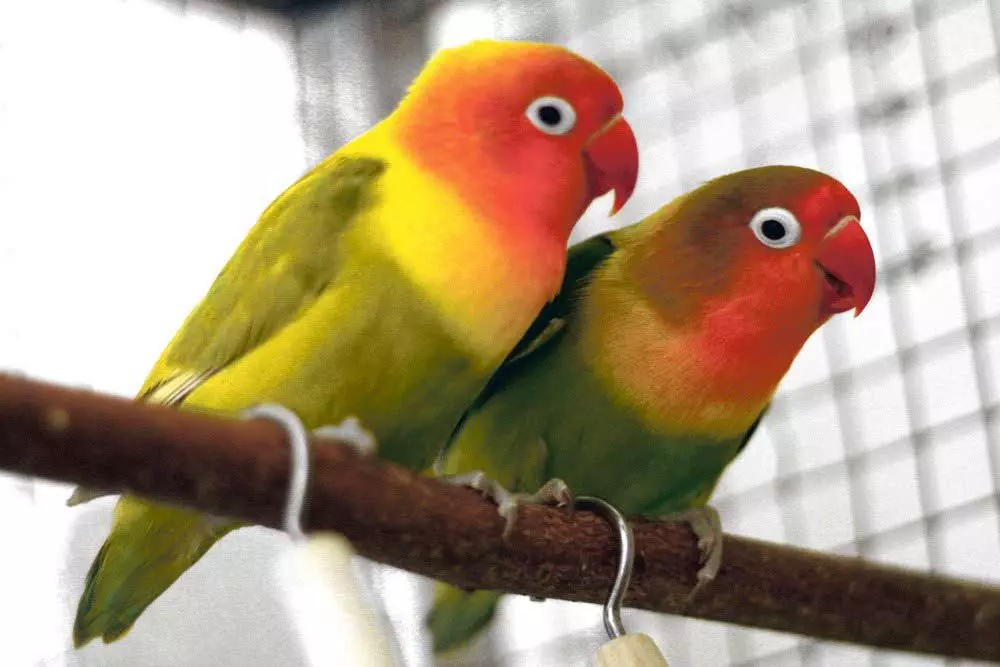
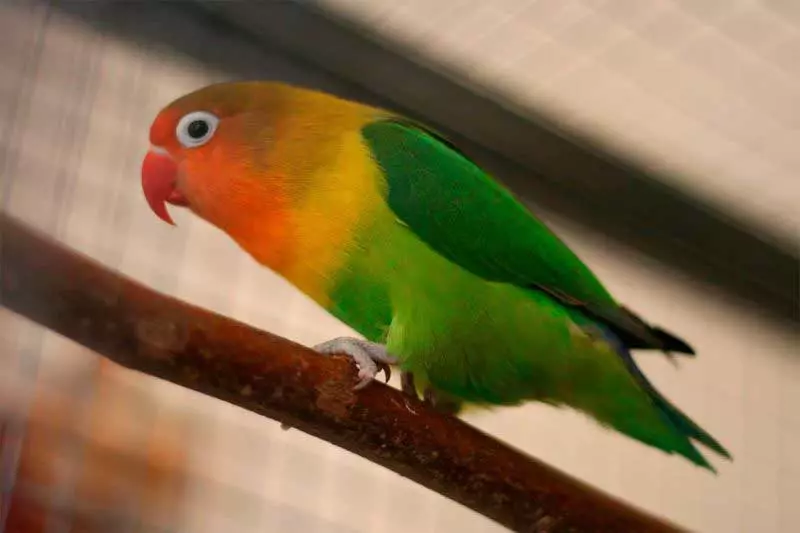
Fischer’s lovebirds are compact and powerfully built for their size. Adults measure 13–15 cm from bill tip to tail and weigh between 45 and 63 g. The most striking feature is the bright orange face that grades into a golden-yellow collar around the neck and upper chest. The back, wings, and most of the body are grass green, with a blue or violet wash on the rump and upper tail coverts. The short, rounded tail shows green, blue, and brown banding. The beak is coral red, and a prominent white eye ring (bare periorbital skin) encircles dark brown eyes. The feet are grey with zygodactyl toes (two forward, two back) ideal for gripping perches.
Color mutations exist in aviculture (lutino, blue, albino, pied) but the wild-type green form remains the most common. Males and females are visually almost identical; the differences (slightly broader pelvic bones in females, marginally larger beaks in males) require hands-on assessment by an experienced breeder or a DNA sex test to confirm.
Habitat & Distribution
In the wild, Agapornis fischeri is endemic to a relatively small area of north-central Tanzania, south and southeast of Lake Victoria. Core habitat includes the open woodlands, scrub forests, and cultivated areas around the Serengeti and Tarangire National Parks, typically at elevations of 1,100–2,200 m. The species is strongly associated with proximity to water and agricultural land, where millet and grass seeds are plentiful.
Fischer’s lovebirds are gregarious, moving in small flocks of 10–20 birds that roost communally in trees. Feral populations derived from escaped or released pets have become established in several countries outside Tanzania, including urban areas of Kenya and, to a lesser extent, parts of the United States and Europe. In areas where the range overlaps with the yellow-collared lovebird (Agapornis personatus), natural hybridization occurs, producing fertile offspring with intermediate plumage.
Diet
Wild Fischer’s lovebirds are primarily granivorous (seed-eating), foraging on grass seeds, millet, maise, small figs, and occasionally flowers and soft bark. They visit water sources multiple times a day, particularly in the dry season (a trait that makes wild-caught individuals easy to trap near waterholes, contributing to historical population declines from the trade).
In captivity, the nutritional baseline should be a high-quality pelleted diet (70–75% of intake) supplemented with:
- Fresh vegetables: leafy greens (kale, chard, romaine), carrots, bell peppers
- Limited fresh fruit: apple, mango, papaya (no avocado, no onion)
- Occasional millet spray as a treat and enrichment tool
- Cuttlebone or mineral block for calcium, especially for breeding females
Seeds-only diets are nutritionally deficient for captive birds and are a common cause of early-onset fatty liver disease in lovebirds. Fresh, clean water must be available at all times.
Behavior & Personality
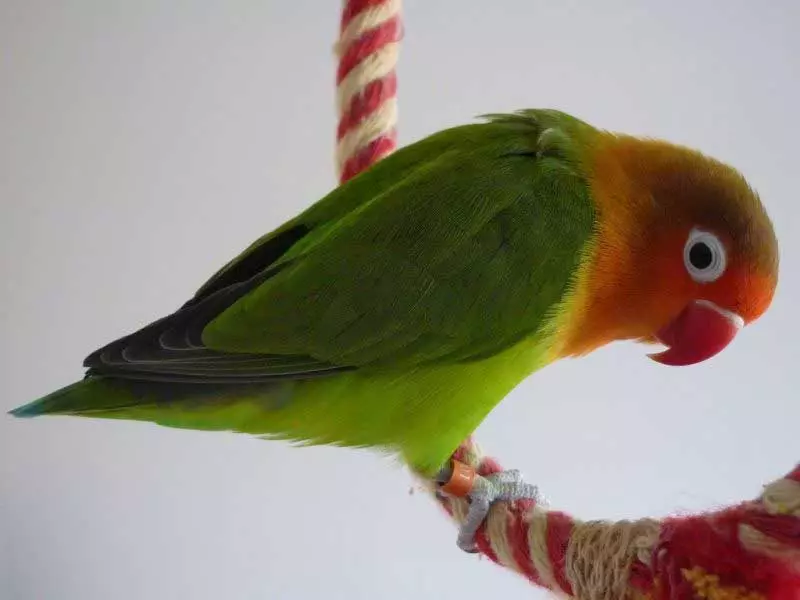
Fischer’s lovebirds are intensely social animals. In the wild they are monogamous and mate for life, with pairs maintaining close physical contact through constant mutual preening and allofeeding (partners feeding each other). This pair-bonding behavior is the origin of the name “lovebird.” Breeding season typically runs from January through April. The female constructs an elaborate roofed nest inside a tree cavity or rock crevice, weaving strips of bark and leaves she carries tucked into her rump feathers (a trait that distinguishes Fischer’s and related eye-ring lovebirds from species that carry material in their bills). She lays clutches of 3–8 eggs; incubation lasts approximately 22–23 days. Both parents feed the chicks, which fledge at around 5–6 weeks of age.
As pets, Fischer’s lovebirds are active, curious, and vocal. They are not as quiet as some smaller birds and produce a range of chirps, chattering calls, and contact calls throughout the day. They can learn to mimic a handful of sounds but lack the talking ability of larger parrots like African Greys or Amazons. Hand-raised Fischer’s lovebirds can become strongly bonded to a single person, though they may become nippy if not socialized consistently.

A key behavioral consideration: Fischer’s lovebirds need companionship. A single bird kept without adequate daily human interaction can develop stress-related behaviors such as feather plucking or chronic screaming. Many aviculturists recommend keeping them in pairs, which reduces the burden on the owner while meeting the bird’s social needs. If kept as a lone bird, plan for a minimum of 2–3 hours of active interaction per day.
Fischer’s Lovebird as a Pet
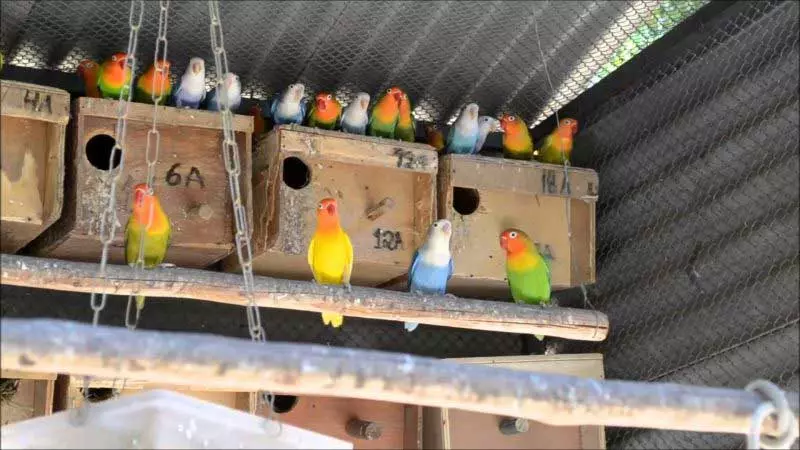
Cage Size and Setup
The minimum recommended cage size for a single Fischer’s lovebird is 60 × 60 × 60 cm (24 × 24 × 24 in), though larger is always better. For a pair, aim for at least 90 × 60 × 90 cm. Bar spacing should be no wider than 1.2 cm (0.5 in) to prevent head entrapment. The cage should include:
- Multiple perches of varying diameters (natural wood perches of 1–2 cm diameter help maintain foot and beak health)
- Foraging toys and puzzle feeders to prevent boredom
- Chewable wooden toys (lovebirds are vigorous chewers and need outlets for this instinct)
- A shallow dish or bird bath for bathing (Fischer’s lovebirds bathe frequently)
- A nesting box if you plan to breed (remove it if you do not, to discourage chronic egg-laying in females)
Diet in Captivity
See the Diet section above. The most important upgrade most Fischer’s lovebird owners can make is transitioning from an all-seed mix to a pellet-based diet. This transition requires patience (2–4 weeks of gradual mixing) but significantly extends healthy lifespan. Supplement with fresh produce daily.
Health and Veterinary Care
Fischer’s lovebirds are hardy by small-parrot standards, but they are prone to several conditions that owners should know about:
- Feather destructive behavior: Often linked to poor diet, stress, or insufficient social interaction
- Egg binding: A life-threatening emergency in females; usually linked to nutritional deficiencies (especially calcium) or first-time laying
- Psittacosis (Chlamydiosis): A bacterial infection transmissible to humans; symptoms include respiratory distress and lethargy
- Proventricular Dilatation Disease: A viral neurological disease affecting the digestive tract
An annual wellness exam with an avian veterinarian is strongly recommended. Finding a vet experienced with parrots before an emergency arises is essential, as general-practice vets often lack the equipment to handle small exotic birds. Avian veterinary services are a recurring cost to budget for before adopting any lovebird.
Interaction and Enrichment
Fischer’s lovebirds are intelligent and need daily mental stimulation. Rotate toys weekly to maintain novelty, offer foraging opportunities (hiding seeds inside paper-wrapped bundles, for example), and provide out-of-cage time in a bird-safe room every day. If the bird is hand-raised and human-bonded, these sessions are also when meaningful training can happen: step-up commands, target training, and basic recall significantly improve the quality of life for both bird and owner.
Legal Considerations
Fischer’s lovebird is listed on CITES Appendix II, which means international commercial trade in wild-caught specimens is regulated (not banned, but controlled through export permits issued by the country of origin). Tanzania banned the export of wild-caught Fischer’s lovebirds in response to population declines driven by decades of trapping for the pet trade.
What this means in practice for prospective owners:
- United States: Captive-bred Fischer’s lovebirds are legal to own in all 50 states. The Wild Bird Conservation Act (WBCA) of 1992 prohibits the import of most wild-caught parrots. Purchasing from a USDA-licensed breeder or a reputable aviculture source is the standard legal route. No federal ownership permit is required for captive-bred birds, though some states may have specific regulations (check your state’s fish & wildlife agency).
- United Kingdom: Legal to own as a captive-bred bird. As an Appendix II species, any bird sold must have documentation proving it was bred in captivity (Article 10 certificate under UK Wildlife Trade Regulations post-Brexit, formerly EU CITES permits). Buying from a reputable licensed breeder is essential.
- European Union: Governed by EU Wildlife Trade Regulations (mirroring CITES Appendix II). Captive-bred birds require an Article 10 certificate to be sold commercially. Wild-caught imports from Tanzania are effectively prohibited.
When purchasing a Fischer’s lovebird, always ask the seller for a closed leg ring (indicating captive birth year) and paperwork. If a bird is sold without documentation at a suspiciously low price, it may be wild-caught or illegally imported. Exotic pet legal assistance services can help clarify requirements if you are unsure of your local regulations.
Conservation Status
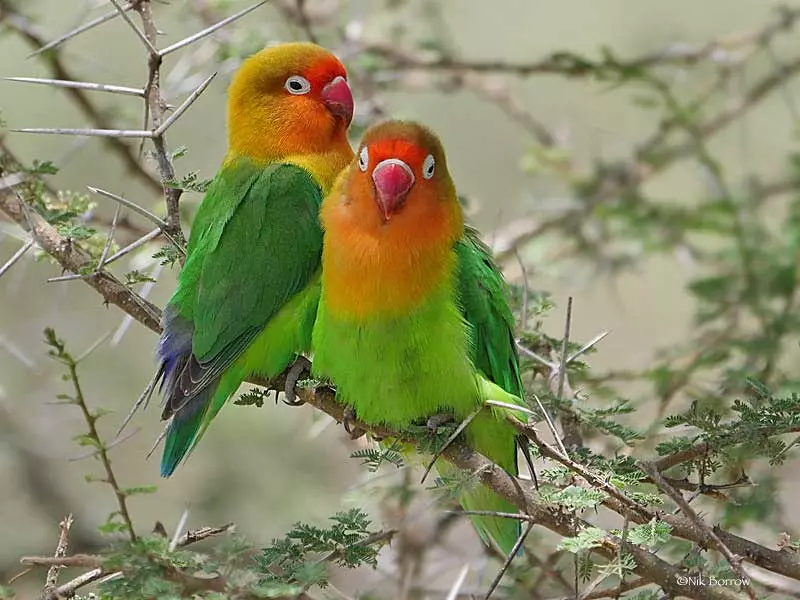
Agapornis fischeri is classified as Near Threatened on the IUCN Red List, reflecting a declining population trend driven by two main pressures: habitat loss (conversion of Tanzanian woodland to agricultural land) and historical trapping for the live-bird trade. An estimated 800,000 individuals were exported between 1981 and 1991 alone, representing one of the largest legal trade volumes for any African parrot species during that decade.
The situation has improved since Tanzania’s export ban and enhanced CITES controls, and captive-bred populations now supply the global pet market without placing additional pressure on wild birds. Conservation organizations including BirdLife International continue to monitor the species, and the Serengeti and Tarangire ecosystems (core wild range) benefit from protected area status. The main ongoing threat is agricultural encroachment at the margins of protected areas.
Feral populations have established in Kenya, parts of Tanzania outside the native range, and isolated locations in Europe and the United States. In some areas, hybridization with the yellow-collared lovebird has created a conservation concern, as hybrid birds can outcompete pure-species individuals in areas where both occur.
Frequently Asked Questions about Fischer’s Lovebird
How long do Fischer’s lovebirds live?
Fischer’s lovebirds live 10–15 years in captivity with proper diet, veterinary care, and social interaction. Wild individuals typically have shorter lifespans due to predation, disease, and habitat pressures. The oldest captive individuals on record have reached 17–18 years.
Can Fischer’s lovebirds talk?
Fischer’s lovebirds are not known for talking. They can learn to mimic a handful of simple sounds and occasionally approximate a short word, but they are not considered talking parrots. Their vocal repertoire consists mainly of chirps, contact calls, and chattering.
Do Fischer’s lovebirds need to be kept in pairs?
Fischer’s lovebirds are highly social and thrive with a companion. A single bird can bond strongly with its human owner, but this requires a minimum of 2–3 hours of active daily interaction. If that level of time is not available, keeping a pair is strongly recommended to prevent stress and feather-destructive behavior.
What is the difference between a Fischer’s lovebird and a peach-faced lovebird?
The main visual difference is the extent of orange coloring: Fischer’s lovebirds have an orange face and yellow collar, while peach-faced (rosy-faced) lovebirds have a pink-to-salmon face that extends across the forehead and throat without a yellow collar. Fischer’s also have a prominent white eye ring, which peach-faced lovebirds lack. In terms of temperament, both are similarly active and social, though peach-faced lovebirds are generally considered slightly more independent.
Are Fischer’s lovebirds legal to own?
Yes, captive-bred Fischer’s lovebirds are legal to own in the US, UK, and across the EU. The species is listed on CITES Appendix II, so wild-caught birds cannot be legally traded internationally, but domestically bred birds are widely available and legal to keep without a special permit in most jurisdictions.
How much does a Fischer’s lovebird cost?
Captive-bred Fischer’s lovebirds typically cost between $50 and $200 USD depending on the color mutation, the breeder’s reputation, and the bird’s level of hand-taming. Rare mutations (blue, albino) can exceed $200. This is separate from setup costs (cage, accessories, initial vet visit) which can add another $200–$400.
Explore more lovebird species
Fischer’s lovebird is one of nine recognized lovebird species, each with distinct characteristics and ranges. If you found this guide useful, you may also want to explore our profiles on the rosy-faced (peach-faced) lovebird, the closely related black-masked lovebird, and the rare Lilian’s lovebird. For a full overview of the genus, visit our Lovebird category page.